
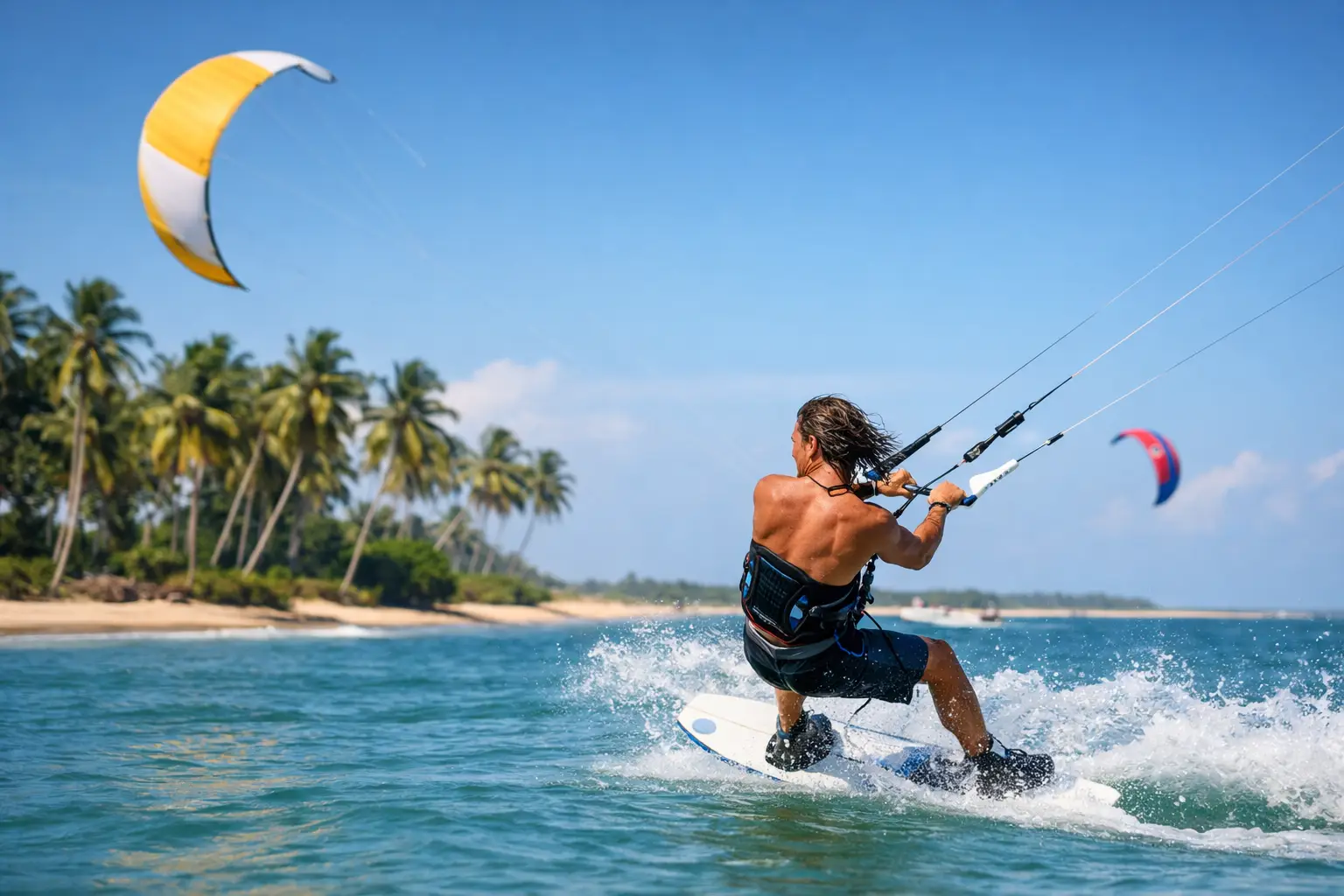
The wind in Kalpitiya does not arrive as a vague promise. It shows up with purpose. One day the lagoon is calm and glassy in the morning, and the next it is alive with colorful kites, steady breeze, and that distinct sense that you picked the right coast. If you are planning around the best time for kitesurfing Kalpitiya, timing matters – but so does the kind of trip you actually want.
Some travelers come for full-power sessions and long days on the water. Others want a more balanced holiday with kiting, pool time, good food, boat trips, and a comfortable place to return to at sunset. Kalpitiya works beautifully for both, as long as you match your travel dates to the experience you have in mind.
Best time for kitesurfing Kalpitiya by season
Kalpitiya is known for two main wind seasons, and that is what makes the destination so attractive. Unlike many kite spots that really shine for only a short stretch, Kalpitiya gives riders two strong windows during the year.
The summer season typically runs from May through October. This is the headline season for many kiters because the wind is generally stronger, more consistent, and ideal for riders who want reliable sessions. If your goal is to maximize time on the water, these are usually the months people look at first.
The winter season usually falls between December and March. Winds are often lighter than in summer, but they can still be very good, especially for beginners, intermediates, and travelers who want a more relaxed pace. This period also tends to appeal to vacationers escaping colder weather back home and looking for warm water, sunshine, and a softer introduction to the sport.
April and November are transitional months. That does not mean they are bad months to visit, but they can be less predictable. If your vacation is built entirely around kiting every day, these shoulder periods carry a little more uncertainty. If you are happy to mix kitesurfing with other experiences, they can still be worthwhile.
Summer season: May to October
For many riders, this is the answer to the question. If someone asks about the best time for kitesurfing Kalpitiya and wants the highest chance of strong, steady wind, summer is usually the safest recommendation.
During these months, Kalpitiya often delivers the kind of conditions that make people return year after year. The lagoon becomes a playground for freeride sessions, progression, and coaching. Flat water is a major advantage here, especially for learners working on board starts and first rides, but it is just as enjoyable for experienced kiters refining technique, practicing tricks, or simply cruising for hours.
The trade-off is that stronger wind can be more demanding if you are brand new. Beginners can absolutely learn in this season with the right instruction and spot guidance, but some first-time riders may feel more comfortable in slightly lighter conditions. It depends on your confidence, fitness, and whether you are taking lessons with experienced instructors.
This is also a great period for guests who want their days to feel active and full. Mornings can start slowly with breakfast and views across the water, followed by a long kite session, then a late afternoon swim or sundowner. The energy of the season suits travelers who want a holiday that feels both polished and exciting.
Winter season: December to March
Winter in Kalpitiya has a different rhythm. The conditions are often gentler, and for many guests, that is exactly the appeal. If you are learning, traveling as a couple with mixed interests, or combining kitesurfing with a broader Sri Lanka itinerary, this can be a very smart time to come.
The wind during winter is often more approachable for beginners and casual riders. You may not get the same punchy consistency that summer is famous for, but you can get comfortable sessions and a friendlier learning curve. That makes winter attractive for guests who want progress without feeling rushed.
This season also works well for travelers who are not exclusively focused on kiting. If one person in your group wants to ride while another wants a quieter beach day, yoga session, dolphin watching trip, or a long lunch by the pool, winter tends to support that easy balance. The destination feels active, but not intense.
For families and mixed-activity travelers, this can be the sweet spot. You still have access to the lagoon and water sports, but the overall holiday can feel softer and more leisurely.
Which months are best for beginners?
If you are new to the sport, the best month is not always the windiest month. It is the month that gives you enough wind to learn while still letting you feel in control.
For many beginners, December through March is an appealing starting point because conditions can be a little more forgiving. Learning in flat water already removes one major challenge, and lighter to moderate wind can help students focus on technique, body position, and kite control without feeling overpowered.
That said, beginners also learn during the summer season all the time. Kalpitiya is a world-class teaching environment because of the shallow, flat-water lagoon and the support structure around the sport. If summer dates are what fit your travel calendar, it can still be an excellent choice – especially if your lessons are planned well and your instruction is tailored to the conditions.
The real question is whether you want the easiest introduction or the highest wind certainty. Those are not always the same thing.
Which months are best for experienced kiters?
Experienced riders usually lean toward May through October. If you are traveling specifically for wind, progression, and as many quality sessions as possible, summer tends to offer the stronger case.
This is when the destination shows off its reputation. Consistent wind opens the door to more ambitious riding days, and the lagoon environment makes repeated sessions enjoyable rather than tiring in the way choppy open-water spots can be. For advanced riders, that means more time focusing on performance and less time managing difficult water state.
If you like the idea of a kite trip where your equipment gets serious use and your non-kiting hours are spent recovering in comfort, this season fits beautifully. A resort stay becomes part of the performance equation – good rest, good meals, and a calm place to reset between sessions make a noticeable difference over several days.
Weather, water, and what to expect off the board
Choosing the best time for kitesurfing Kalpitiya is not only about wind charts. It is also about how you want the rest of the trip to feel.
Kalpitiya is warm year-round, which is one of the destination’s biggest advantages for US travelers looking to trade cold weather for tropical air and warm water. You are not planning around chilly sessions or heavy gear. The atmosphere is easy, beach-driven, and made for spending long hours outdoors.
Shoulder months like April and November can be appealing if your trip is not completely wind-dependent. These periods may offer a quieter pace and more flexibility for travelers who want to enjoy the lagoon, regional excursions, dining, and downtime without building the whole vacation around daily kite conditions.
This matters more than many people expect. A great kite destination becomes an even better holiday destination when there is something to enjoy before and after the session. In Kalpitiya, that can mean a slow breakfast, an afternoon swim, fresh seafood at dinner, or an evening that feels peaceful rather than overplanned.
So when should you book?
If kitesurfing is the main reason for your trip, book between May and October for the strongest chance of dependable wind. If you are learning, prefer slightly gentler conditions, or want a more rounded beach vacation with kiting built in, December through March is often the better fit.
If your schedule only allows April or November, do not rule Kalpitiya out. Just come with the right expectations and a flexible mindset. Those months can still be rewarding, especially if you enjoy mixing water sports with rest, nature, and the slower pleasures of a tropical stay.
At Kitelantis, that balance is part of what makes the destination so memorable. You can spend the day chasing wind on one of Sri Lanka’s best lagoons, then return to comfort, space, and the kind of relaxed hospitality that turns a sports trip into a real vacation.
The best time to come is the season that matches your version of a good day – more wind, more ease, or a little of both.